Best Places to Scuba Dive, From Your First Reef to Your Dream Wreck
The best places to scuba dive aren’t reserved for experts. This guide matches you with dive spots that fit your skill level, your budget, and the marine life you most want to see.
How to Choose the Right Dive Destination for You
Every brochure promises crystal-clear water and amazing reefs. The right spot for you depends less on hype and more on what you want from your time underwater.
Before you book, ask yourself:
- What’s your certification level, and how many dives have you logged?
- Do you want calm, shallow reefs, or are you ready for currents and depth?
- Which animals top your list: turtles, sharks, mantas, or tiny macro critters?
- When can you travel? Water conditions change a lot from season to season.
The Best Places to Scuba Dive Around the World
These destinations earn their reputation on every diver’s wish list. Use the notes to see which ones match your experience.
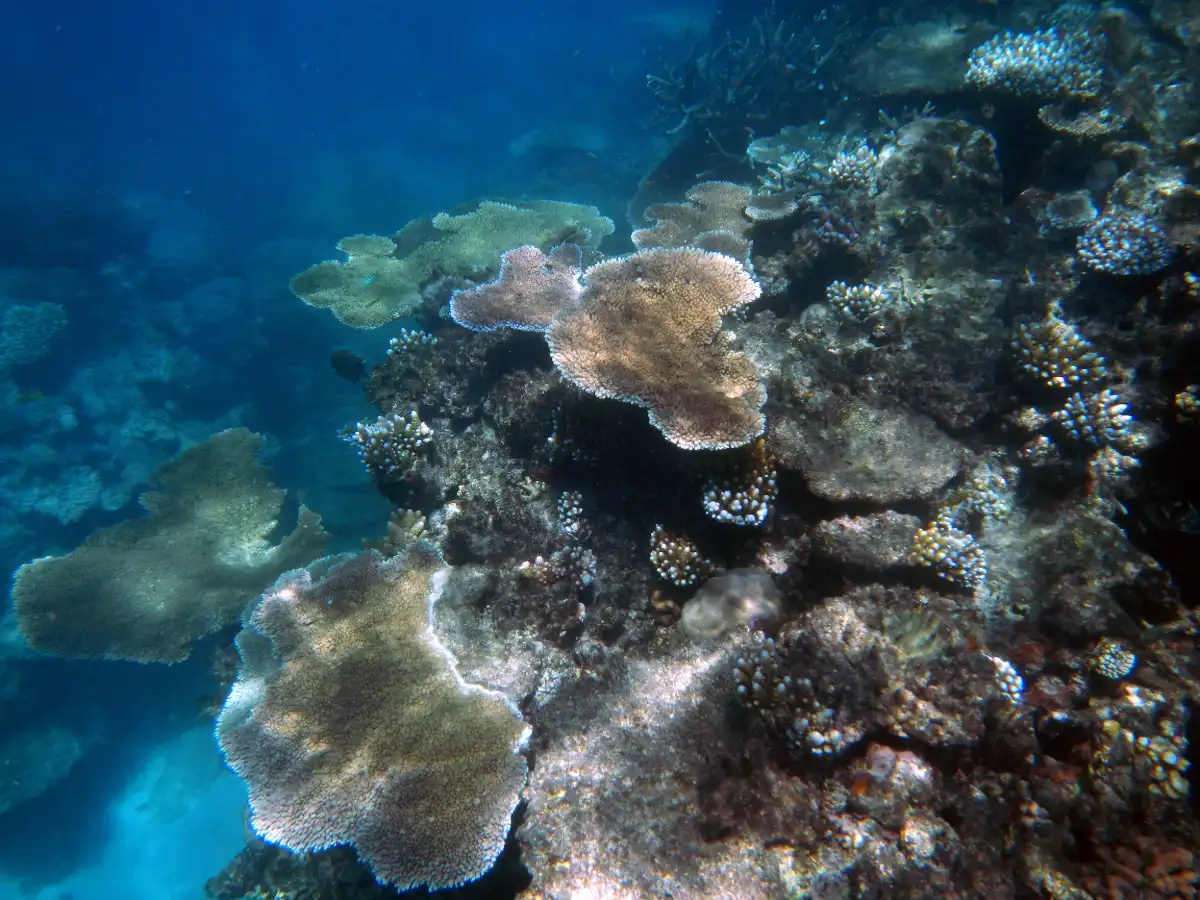
Great Barrier Reef, Australia
The world’s largest coral reef system gives you endless variety, from sheltered shallow sites to dramatic outer reef walls. Liveaboard trips take you to quieter spots far from the day-boat crowds.
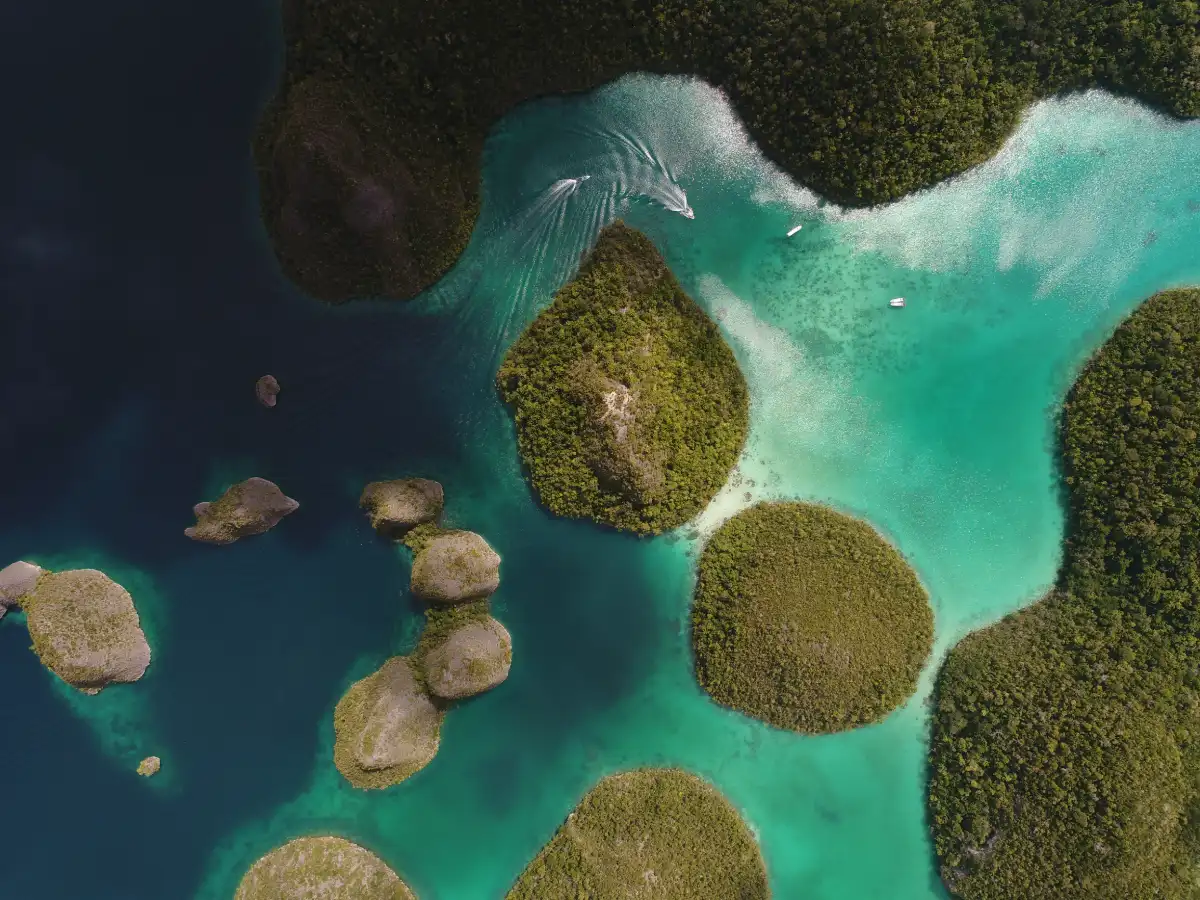
Raja Ampat, Indonesia
Raja Ampat holds some of the richest marine biodiversity on the planet. You’ll find thick schools of fish, manta rays, and soft corals everywhere, though some sites have strong currents better suited to experienced divers.
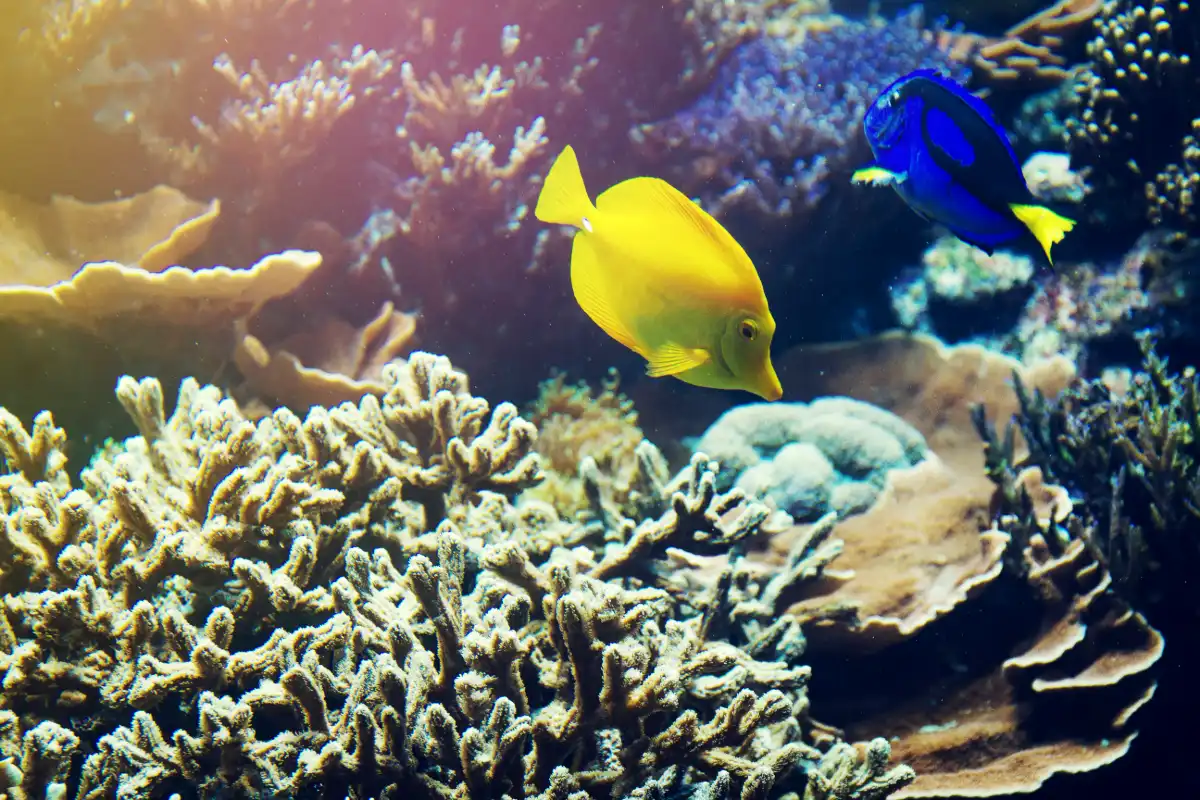
Red Sea, Egypt
Warm water, excellent visibility, and short flights from Europe make the Red Sea an easy favorite. Wreck lovers shouldn’t miss the SS Thistlegorm, a WWII cargo ship still loaded with motorcycles and trucks.
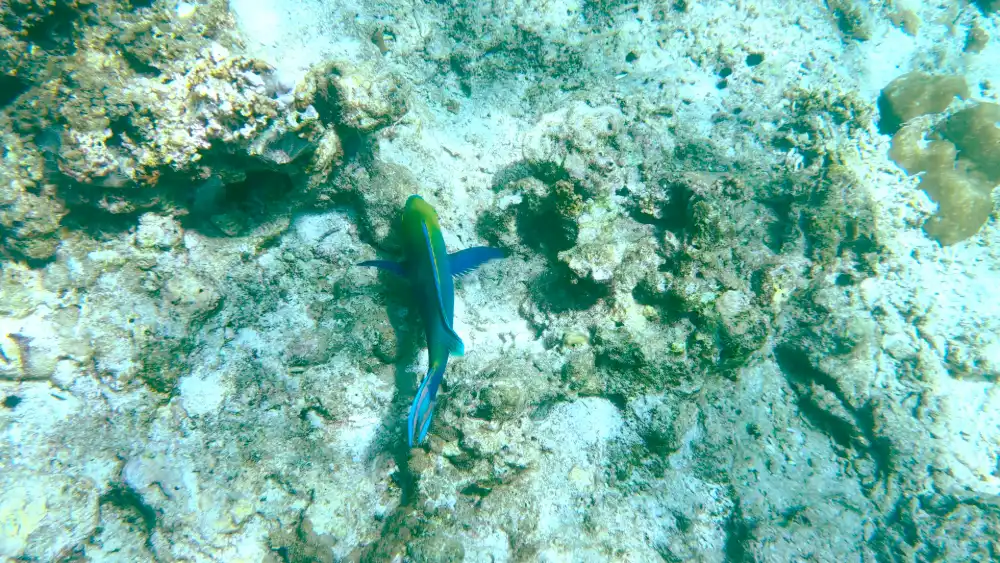
Cozumel, Mexico
Gentle drift dives carry you along colorful reef walls with almost no effort. It’s a great place to try drift diving for the first time with a local guide.
Bonaire, Caribbean
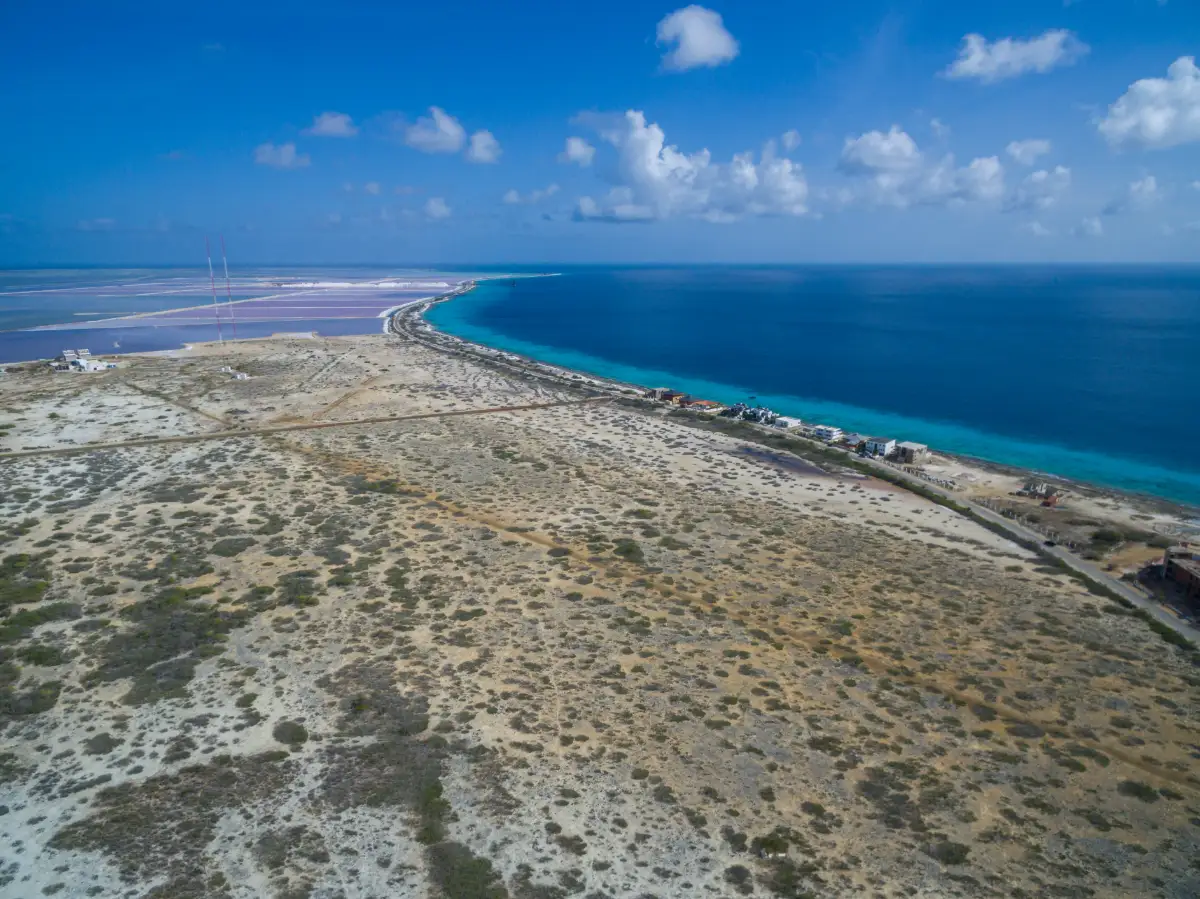
Bonaire is famous for shore diving: grab a tank, walk in from the beach, and explore protected reefs on your own schedule. The whole coastline sits inside a marine park, so the reefs stay healthy.
Galápagos Islands, Ecuador
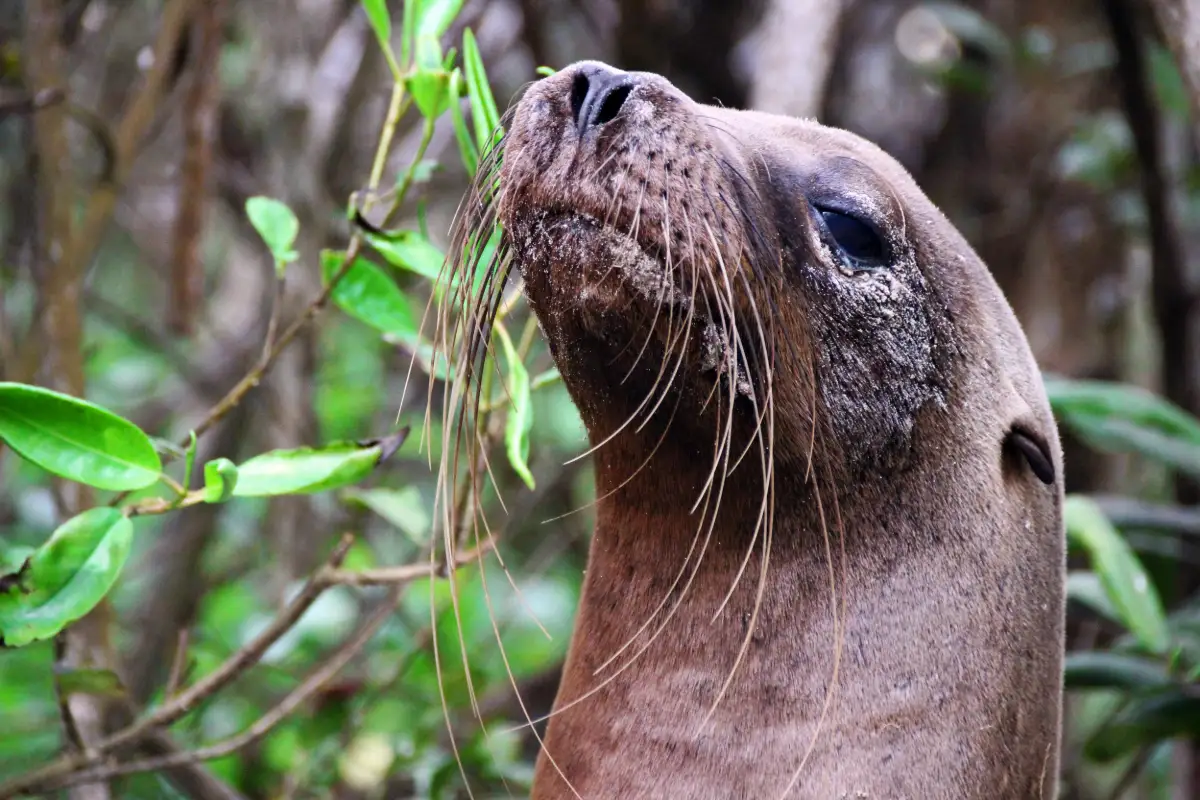
Schools of hammerhead sharks, playful sea lions, and marine iguanas make the Galápagos unforgettable. Cold water, surge, and strong currents mean you need solid experience first.
Sipadan, Malaysia
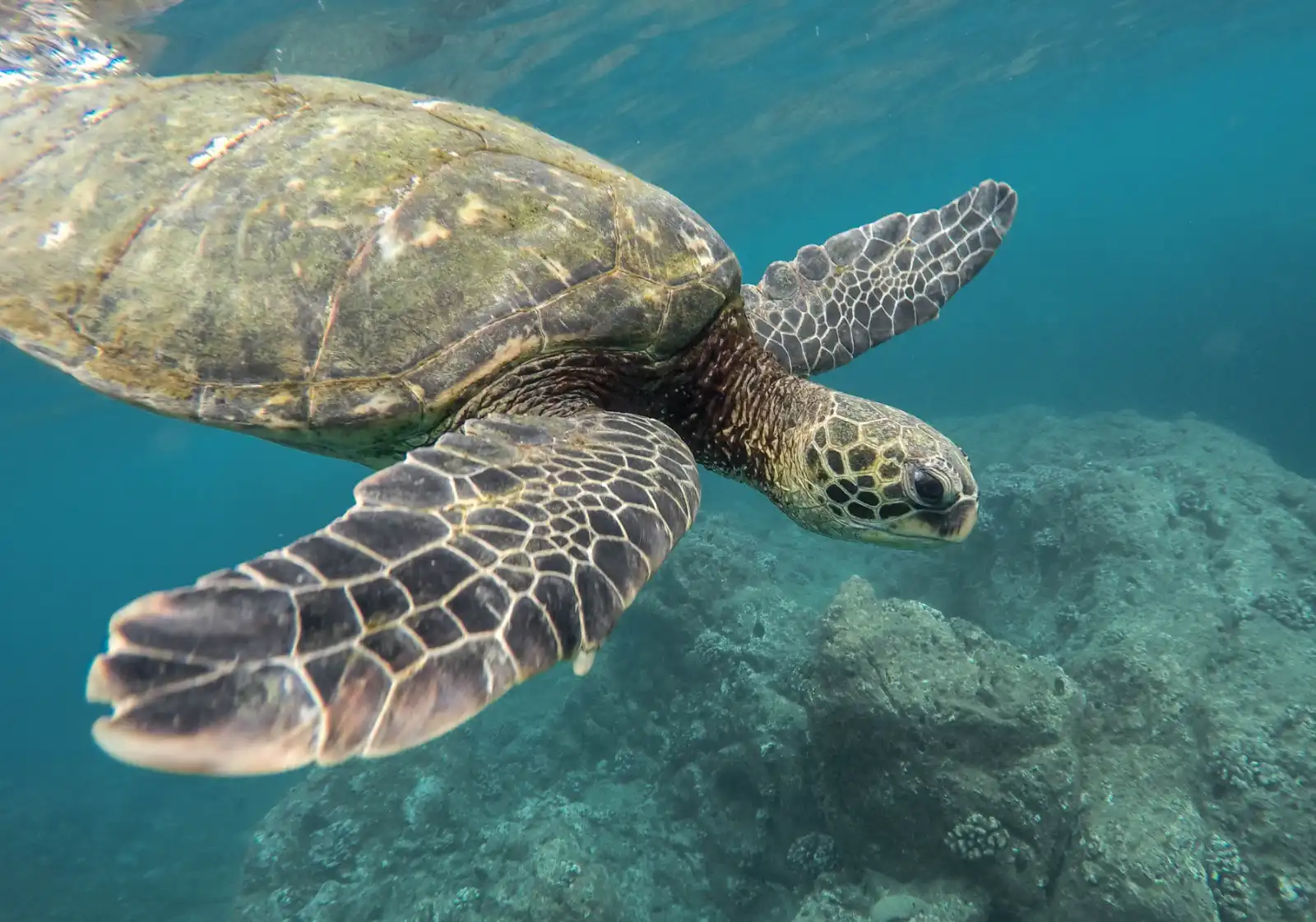
Sipadan’s wall drops straight into deep blue water, and green and hawksbill turtles are everywhere. Daily dive permits are limited, so book well ahead.
Best Places to Scuba Dive as a Beginner
New to diving? Start where the water is calm, warm, and clear, so you can focus on your buoyancy instead of fighting the conditions.
- Bonaire: easy shore entries and shallow, protected reefs
- Red Sea resorts: warm water and great visibility for most of the year
- Tulamben, Bali: the USAT Liberty wreck sits close to shore in shallow water
- Inner Great Barrier Reef: sheltered sites with plenty of fish and turtles
- Cozumel: calmer reef sites where guides keep the pace relaxed
Plan Your Dive Trip in 3 Simple Steps
A little planning turns a good dive trip into a great one.
Step 1: Match the Site to Your Skill
Check the depth, currents, and entry type before you commit. Pick a destination that stretches you a little, not one that overwhelms you.
Step 2: Pick the Right Season
Visibility, water temperature, and marine life all shift with the calendar. A quick search for the best months can be the difference between mantas and murky water.
Step 3: Book a Trusted Dive Operator
Look for operators with recent reviews, small group sizes, and well-maintained gear. Your safety and your enjoyment both depend on it.
Answers to the Questions New Divers Ask Most
Where is the best place to scuba dive for beginners?
Bonaire, the Red Sea, and Cozumel are all strong choices. They offer warm water, good visibility, and plenty of easy sites.
When is the best time to go scuba diving?
It depends on the destination. Research the dry season and peak marine life months for the place you want to visit.
Do you need to be certified to scuba dive?
You need a certification for most fun dives. If you just want a taste, many resorts offer a supervised intro dive without one.
How deep can you dive as a beginner?
An Open Water certification typically qualifies you to dive to 18 meters (60 feet). Advanced training lets you go deeper safely.
Start Planning Your Next Underwater Adventure
The best places to scuba dive are waiting, whether you want gentle reefs or wild open-ocean encounters. Pick one destination from this list and start comparing dive operators today.